
Rwanda’s Path from Tragedy to a “Spirit of Pan-Africanism” Celebrated at Nairobi Symposium
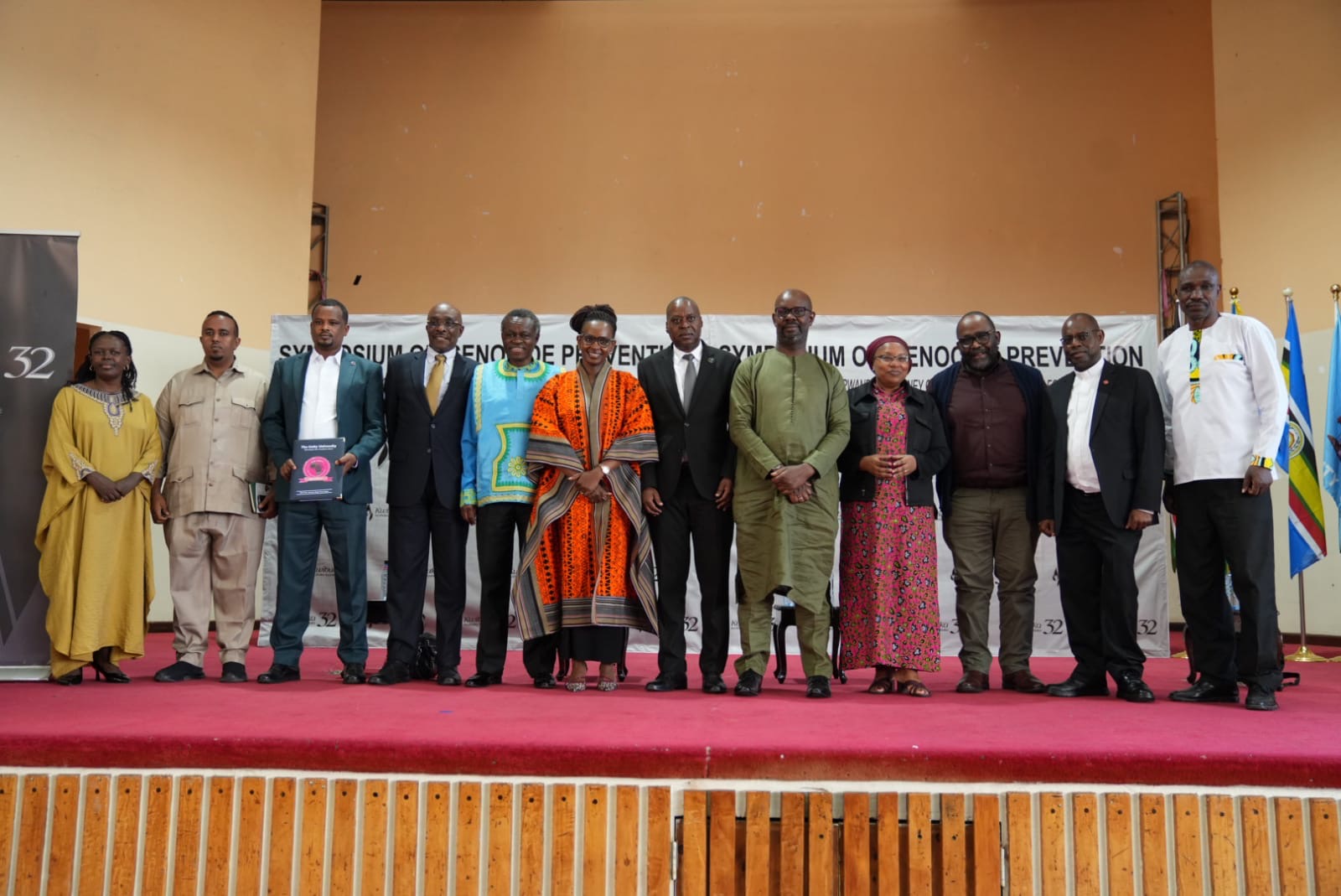
In a moving blend of remembrance and hope for the future, the University of Nairobi’s Taifa Hall was transformed into more than just a venue it became a space where history, emotion, and purpose met. The symposium, themed “From Ashes to Ambition: Rwanda’s Journey of Renewal and the Quest for a United Africa,” invited those in attendance to reflect deeply while also looking ahead.
Marking 32 years since the 1994 Genocide Against the Tutsi, the gathering brought together African thinkers, diplomats, and scholars who spoke not just as experts, but as people committed to ensuring such a tragedy is never repeated. At the heart of the conversations was Rwanda’s powerful story how a nation once on the brink has, over three decades, rebuilt itself into a symbol of resilience and possibility.
From the very beginning, the tone was honest and unflinching. Barack Muluka challenged the audience to rethink how the tragedy is described. He spoke with conviction, reminding everyone that words matter.
“You must call the sin by its own name,” he said, stressing that what happened was a deliberate and systematic targeting of the Tutsi people. For him, naming it correctly as the 1994 Genocide Against the Tutsi is not just about accuracy it’s about dignity, truth, and justice.
Ernest Rwamucyo, Rwanda’s High Commissioner to Kenya, spoke with both gravity and urgency. His message went beyond remembrance it was a call to responsibility. He reminded the room that over one million lives were lost in just 100 days, not simply because of those who carried out the attack ,but also because the world hesitated.
He urged the audience to recognise that genocide doesn’t just happen it builds over time, often through warning signs like hate speech, dehumanization, and denial. These signs, he noted, were tragically ignored in both the Holocaust and Rwanda.
As the discussion shifted to the present, there was growing concern about how similar dangers can now spread through digital platforms. Ambassador Rwamucyo called for the phrase “Never Again” to carry real weight backed by action, policy, and accountability, especially in holding perpetrators who are still at large responsible.
Adding to the conversation, Sylvia Kassanga spoke about the role of education and dialogue in shaping a better future. She highlighted the work of the Pan-African Institute and Lukenya University initiatives founded by PLO Lumumba which aim to connect knowledge with leadership and governance, ensuring African voices and ideas help shape the continent’s direction.
Prof. Lumumba, in his characteristic style, described Rwanda as a living example of Pan-Africanism in action. He reminded the audience that remembering the past is not enough real prevention lies in intentional thinking, strong leadership, and policies that reflect collective responsibility.
Earlier in the day, Ambassador Rwamucyo had met with the University’s Vice Chancellor, Margaret Hutchinson Jesang. Their discussion reinforced the important role universities play not just as centres of learning, but as custodians of truth and spaces for meaningful dialogue.
In her remarks, Prof. Hutchinson affirmed that the University of Nairobi remains committed to hosting such conversations. She noted that Rwanda’s journey from unimaginable loss to renewal offers lessons that other African nations can draw from as they work toward lasting peace.
By the end of the symposium, one message was clear: this was not just about looking back. It was about carrying forward the lessons of history with honesty, responsibility, and a shared commitment to building a more united Africa.
- Log in to post comments


